
The Future of Smartphones: Predicted Trends and Innovations for the Next Decade
The smartphone industry has experienced rapid evolution since its inception, and the next decade promises even more groundbreaking innovations. As technology advances at an unprecedented rate, smartphones are set to transform how we communicate, interact, and integrate digital solutions into our daily lives. In this blog post, we will explore the predicted trends and innovations in the smartphone industry that could redefine our future.
1. The Rise of Foldable and Flexible Displays
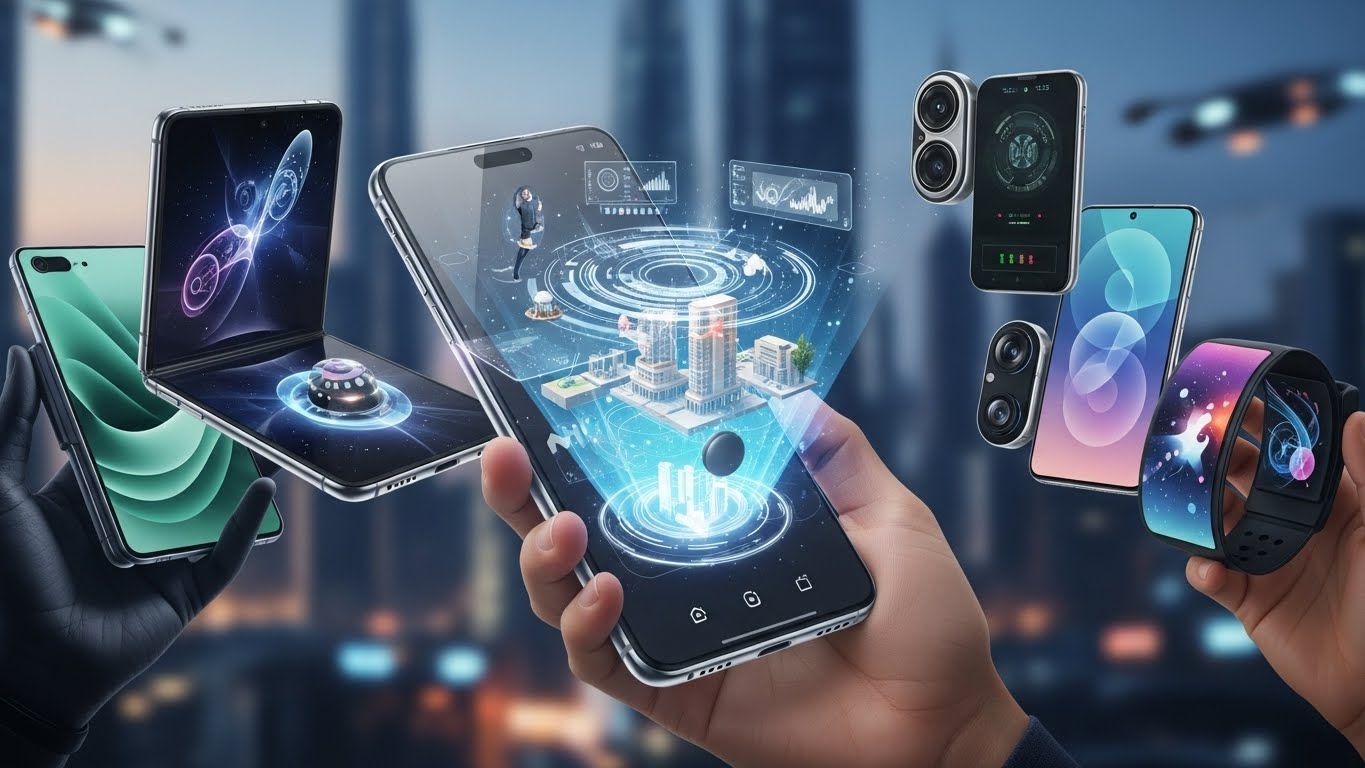
Foldable displays have already made their debut, and they are expected to become mainstream in the coming years. Manufacturers are investing heavily in this technology, aiming to create devices that offer the convenience of a smartphone with the expansive screen size of a tablet. The potential for flexible displays extends beyond just foldable phones; it could revolutionize wearable technology and smart home devices as well.
Flexible OLED displays, which are thinner and more durable than traditional screens, allow for innovative form factors. As production costs decrease, we can expect to see more affordable options in this domain. The integration of this technology not only enhances aesthetic appeal but also improves functionality by allowing users to multitask more effectively.
2. 5G and Beyond: The New Era of Connectivity
The rollout of 5G networks is already underway, and it promises to enhance connectivity with faster speeds and lower latency. The implications of widespread 5G adoption are vast, impacting industries such as healthcare, gaming, and autonomous vehicles. As 5G becomes the norm, we can anticipate the development of new applications that leverage its capabilities, thereby transforming user experiences.
Looking beyond 5G, researchers are already exploring the next generation of connectivity, known as 6G. This futuristic technology aims to provide even more impressive speeds and enable the creation of advanced applications, such as holographic communication and real-time virtual reality experiences.
3. Artificial Intelligence and Machine Learning Integration
Artificial intelligence (AI) and machine learning are becoming integral to smartphone functionality. From personalized recommendations to predictive text and voice recognition, AI enhances user experience by making devices smarter and more intuitive. The next decade will see AI being used to optimize battery life, improve device security, and provide real-time language translation.
Moreover, AI-driven cameras are set to become more sophisticated, enabling users to capture professional-quality images and videos effortlessly. Advanced AI algorithms will also enhance augmented reality (AR) applications, providing more immersive and interactive experiences.
4. Enhanced Security Features
As smartphones become central to our digital lives, security remains a top priority. The future will likely bring advancements in biometric authentication, including under-display fingerprint sensors and facial recognition technology. In addition, AI-driven security measures will detect and mitigate potential threats in real-time, ensuring data privacy and protection.
Decentralized identity management and blockchain technology could also play a significant role in securing user data and preventing unauthorized access. These innovations will provide a more secure and seamless user experience, fostering trust in digital interactions.

5. Environmental Sustainability
With growing concerns about environmental impact, the smartphone industry is focusing on sustainability. Efforts to reduce electronic waste are leading to the development of more sustainable materials and recyclable components. Additionally, manufacturers are exploring modular designs that allow consumers to upgrade specific parts instead of replacing the entire device.
The shift towards renewable energy sources for production and increased emphasis on energy-efficient processors will also contribute to lowering the carbon footprint of smartphones. These changes align with global efforts to combat climate change and promote sustainable technology.
6. Augmented and Virtual Reality
Augmented reality (AR) and virtual reality (VR) are poised to become a significant part of the smartphone ecosystem. As hardware capabilities improve, these technologies will offer more sophisticated and immersive experiences. Applications in gaming, education, and professional training will see substantial growth, as AR and VR become more accessible to everyday users.
Smartphones equipped with advanced sensors and AI will enhance AR applications, allowing for real-time object recognition and interaction. This will open up new possibilities for interactive learning, remote work, and entertainment.
7. The Internet of Things (IoT) and Smart Integration

The integration of smartphones with the Internet of Things (IoT) will continue to expand, enabling seamless interaction with a wide range of smart devices. From home automation systems to wearable health monitors, smartphones will serve as the central hub for managing and controlling IoT ecosystems.
As IoT technology advances, we can expect more intuitive interfaces and improved interoperability between devices. This will lead to a more connected and efficient lifestyle, where smartphones facilitate the automation of daily tasks and provide personalized insights into user behavior and preferences.
Takeaways
The future of smartphones is brimming with exciting possibilities. As we look ahead to the next decade, it is clear that technological advancements will continue to reshape the way we interact with the world. From foldable displays to AI integration and enhanced connectivity, the smartphone industry is on the cusp of a new era.
With a focus on sustainability, security, and user experience, the innovations in smartphone technology will not only enhance daily life but also contribute to a more connected and environmentally conscious world. As these trends unfold, staying informed about the latest developments will be crucial for consumers and industry professionals alike.
As these technological trends and innovations continue to evolve, it is essential to consider the broader implications they will have on society and industry. The impact of these advancements will extend beyond the devices themselves, influencing various sectors and transforming everyday experiences.
8. The Role of Smartphones in Healthcare
Smartphones are becoming increasingly vital in the healthcare industry, serving as tools for monitoring and managing health. With the integration of advanced sensors and AI, smartphones can track vital signs, provide personalized health insights, and even assist in disease diagnosis.
Future innovations will likely include continuous glucose monitoring for diabetics, heart rate variability tracking, and even mental health assessments based on user behavior patterns. Telemedicine applications will further enhance accessibility to healthcare services, allowing patients to consult with healthcare providers from the comfort of their homes.
9. Evolving User Interfaces and Interaction Models
The way we interact with smartphones is also set to undergo significant changes. Gesture-based controls, voice commands, and even brain-computer interfaces are being explored as alternatives to traditional touch-based interactions. These new interaction models will make smartphones more intuitive and accessible, particularly for individuals with disabilities.
Haptic feedback and tactile interfaces will enhance the sensory experience, allowing users to feel textures and vibrations as they interact with digital content. These innovations will provide a more immersive and engaging user experience, blurring the lines between physical and digital worlds.
10. The Impact on Social Connectivity and Communication
As smartphones become more integrated into our lives, they will continue to shape how we communicate and connect with others. The advent of new communication platforms and technologies such as real-time translation and holographic calls will bridge language barriers and bring people closer together.

Social media platforms will leverage AR and VR to offer more immersive and interactive experiences, enabling users to engage with content in novel ways. This evolution will redefine social interactions, creating new opportunities for connection and collaboration in both personal and professional settings.
11. Challenges and Considerations
While the future of smartphones is promising, it also presents several challenges. Privacy and data security remain critical concerns as devices become more interconnected and gather vast amounts of personal information. Ensuring robust security measures and transparent data handling practices will be essential to maintaining user trust.
Additionally, addressing the digital divide is crucial to ensure that all individuals have access to these technological advancements. Efforts to provide affordable devices and internet connectivity must be prioritized to prevent disparities in access to digital resources.
Finally, as smartphones become more central to our lives, managing screen time and mitigating the effects of digital addiction will be important considerations. Encouraging healthy technology use and promoting digital well-being will be key to maximizing the positive impact of these innovations.
Takeaways
The next decade promises to be an exciting period for the smartphone industry, with innovations that will redefine how we interact with technology and each other. As smartphones evolve, they will continue to play a pivotal role in shaping our digital landscape and driving progress across various sectors.
By embracing these advancements and addressing the associated challenges, we can unlock the full potential of smartphones to enhance our lives and create a more connected and sustainable future. Staying informed and adaptable will be essential for both consumers and businesses as we navigate this rapidly changing technological frontier.
About the Author