
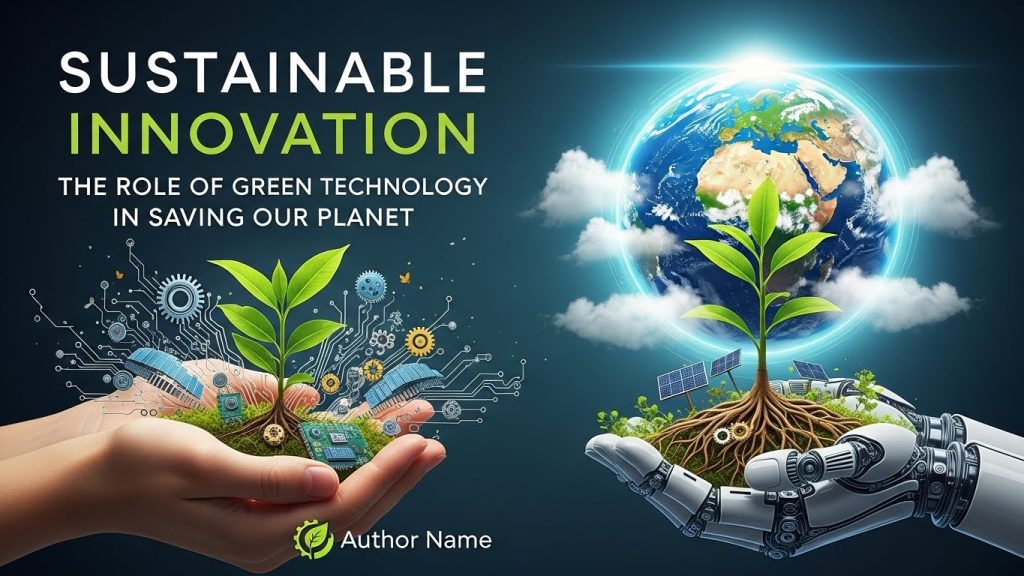
Sustainable Innovation: The Role of Green Technology in Saving Our Planet
In recent years, the urgency to address environmental concerns has reached an unprecedented level. The planet’s rising temperatures, depleting resources, and increasing pollution have necessitated a shift towards more sustainable practices. At the heart of this transformation is green technology, a powerful tool that offers innovative solutions to mitigate environmental damage. This blog post delves deep into the role of green technology in promoting sustainable innovation and how it contributes to saving our planet.
Understanding Green Technology
Green technology, also known as clean technology, encompasses a wide array of processes, products, and services that aim to reduce negative environmental impacts. Unlike traditional technologies that might rely on fossil fuels or produce harmful emissions, green technology focuses on sustainability and efficiency. This includes renewable energy sources like solar and wind, energy-efficient appliances, sustainable agriculture practices, and more. The goal is to create a balance between human needs and environmental preservation.
The Importance of Renewable Energy
The shift from fossil fuels to renewable energy sources is a cornerstone of green technology. Renewable energy is derived from natural processes that are replenished constantly, such as sunlight, wind, and water flow. According to the International Energy Agency, renewables are expected to account for almost 95% of the increase in global power capacity through 2026.
Solar Power: Harnessing the sun’s energy through photovoltaic cells or solar thermal power is one of the most popular forms of renewable energy. With the decreasing cost of solar panels, solar energy is becoming more accessible, contributing significantly to reducing carbon footprints.

Wind Energy: Wind turbines convert kinetic energy from the wind into mechanical power. As one of the fastest-growing energy sources worldwide, wind energy is a crucial component of the global energy mix, offering a sustainable alternative to traditional power generation.
Green Technology in Agriculture
As the global population continues to rise, ensuring food security while preserving natural resources is a major challenge. Green technology in agriculture, often termed sustainable agriculture, seeks to address this issue by promoting practices that are environmentally friendly and economically viable.
Precision Farming: This approach involves using advanced technologies such as GPS, IoT, and data analytics to enhance crop yield and efficiency. By precisely monitoring and managing field variations, farmers can optimize inputs such as water, fertilizers, and pesticides, reducing waste and environmental impact.
Vertical Farming: An innovative method of growing crops in vertically stacked layers, often in controlled indoor environments. This approach reduces the need for land and water, and by using LED lighting and hydroponics, it can produce crops year-round regardless of climate conditions.
Green Buildings and Sustainable Architecture
Green buildings incorporate design, construction, and operational practices that significantly reduce or eliminate negative impacts on the environment and occupants. By using sustainable materials and energy-efficient systems, green buildings contribute to a healthier environment and improved human health.
Energy Efficiency: Incorporating features such as high-performance windows, enhanced insulation, and smart thermostats, green buildings consume less energy for heating, cooling, and lighting. The LEED certification is a globally recognized symbol of sustainability achievement and leadership in the building sector.
Water Conservation: Implementing systems for rainwater harvesting, greywater recycling, and low-flow fixtures can significantly reduce water consumption in buildings, addressing one of the critical aspects of sustainable living.
Innovation in Waste Management
Waste management is a critical area where green technology is making significant strides. Traditional waste disposal methods, such as landfills and incineration, have severe environmental impacts, including pollution and greenhouse gas emissions. Green technology offers alternative solutions that are more sustainable and efficient.
Recycling and Upcycling: Advanced recycling technologies are being developed to recover more materials from waste streams, turning them into valuable resources. Upcycling goes a step further by transforming waste materials into new products with a higher environmental value.
Biodegradable Materials: The development of biodegradable materials is reducing the environmental footprint of products. For instance, bioplastics made from plant materials can decompose naturally, unlike traditional plastics that persist in the environment for hundreds of years.
The Economic Impact of Green Technology
Beyond environmental benefits, green technology also presents significant economic opportunities. The transition to a green economy can drive job creation, stimulate technological innovation, and enhance energy security.
Job Creation: The renewable energy sector alone has generated millions of jobs worldwide, from manufacturing and installation to maintenance and research. The International Renewable Energy Agency reported that renewable energy jobs reached 12 million in 2020, with solar and wind leading the growth.
Investment Opportunities: As more governments and businesses commit to sustainability, investment in green technologies is booming. This trend presents opportunities for investors to support sustainable innovation and benefit financially from the growing demand for eco-friendly solutions.
Challenges and Future Prospects
While green technology offers promising solutions, several challenges must be addressed to maximize its potential. These include the need for substantial initial investments, technological barriers, and the requirement for supportive policies and regulations.
Despite these challenges, the future of green technology is bright. The continuous advancement in technology, coupled with growing awareness and commitment to sustainability, is likely to drive further innovation and adoption. Emerging technologies, such as carbon capture and storage (CCS) and hydrogen fuel cells, hold significant promise for reducing emissions and enhancing energy efficiency.
Takeaways
Green technology plays a crucial role in sustainable innovation, offering viable solutions to some of the most pressing environmental challenges of our time. By transitioning to renewable energy, adopting sustainable agricultural practices, and promoting green building designs, we can significantly reduce our ecological footprint. Furthermore, the economic benefits of green technology, including job creation and investment opportunities, underscore its importance in shaping a sustainable future.
As we continue to face environmental challenges, the integration of green technology into various sectors will be vital in preserving our planet for future generations. By embracing sustainable innovation, we can pave the way for a healthier, more sustainable world.
Global Initiatives and Policies Supporting Green Technology
Governments and organizations worldwide are increasingly recognizing the importance of green technology in fostering sustainable development. International agreements and national policies play a pivotal role in promoting the adoption of eco-friendly technologies and practices.
Paris Agreement: This landmark accord within the United Nations Framework Convention on Climate Change (UNFCCC) aims to limit global warming to well below 2 degrees Celsius. By encouraging nations to reduce their carbon emissions, the Paris Agreement provides a framework for the widespread adoption of green technologies.
European Green Deal: The European Union’s ambitious plan to make Europe the first climate-neutral continent by 2050 emphasizes investments in green technologies. The European Green Deal seeks to transform various sectors, including energy, agriculture, and transportation, to achieve its sustainability goals.
The Role of Technology Companies in Driving Sustainability
Technology companies are at the forefront of green innovation, leveraging their expertise to develop solutions that address environmental challenges. From tech giants to startups, these companies are investing heavily in research and development to create sustainable products and services.
Corporate Sustainability Initiatives: Many technology companies are committing to reducing their carbon footprints through renewable energy use and sustainable practices. For instance, companies like Google and Apple are investing in renewable energy projects to power their operations with clean energy.
Emerging Green Technologies: Innovations such as blockchain for energy management, AI-driven smart grids, and IoT-based environmental monitoring systems are revolutionizing how we interact with and protect our environment. These technologies enable more efficient resource management and reduce environmental impact.
Community Involvement and Education
The transition to a sustainable future requires active participation from communities and individuals. Education and awareness play crucial roles in encouraging the adoption of green technologies and fostering a culture of sustainability.
Educational Programs: Educational institutions are increasingly incorporating sustainability into their curricula, equipping students with the knowledge and skills needed to tackle environmental challenges. Programs focused on renewable energy, environmental science, and sustainable architecture are becoming more prevalent.
Community Initiatives: Grassroots movements and community organizations are instrumental in promoting sustainable practices at the local level. Initiatives such as community solar projects, urban gardening, and waste reduction campaigns empower individuals to make environmentally conscious choices.
Overcoming Barriers to Green Technology Adoption
While the benefits of green technology are clear, several barriers still hinder its widespread adoption. Addressing these obstacles is crucial for accelerating the transition to a sustainable future.
Cost and Accessibility: The initial costs of green technologies can be prohibitive for individuals and small businesses. Government incentives, subsidies, and financing options can help make these technologies more accessible and affordable.
Infrastructure and Integration: Integrating green technologies with existing infrastructure can be challenging. Investments in upgrading infrastructure and developing new systems are essential to facilitate the adoption of sustainable technologies.
Public Perception and Awareness: Misconceptions and lack of awareness about the benefits and potential of green technologies can impede their adoption. Public education campaigns and transparent communication can help address these issues and build trust in green solutions.
The Path Forward: Embracing a Sustainable Future
As we look towards the future, the role of green technology in achieving sustainability cannot be overstated. By embracing innovation and collaboration, we can overcome the challenges and unlock the full potential of eco-friendly technologies.
Governments, businesses, and individuals must work together to create an ecosystem that supports sustainable innovation. By prioritizing investments in green technology, fostering collaboration between stakeholders, and promoting policies that encourage sustainability, we can pave the way for a greener, more sustainable world.
Ultimately, the successful integration of green technology into our daily lives will require a collective effort. By committing to sustainable practices and supporting the development of eco-friendly technologies, we can protect our planet for future generations and ensure a prosperous, sustainable future for all.
About the Author