
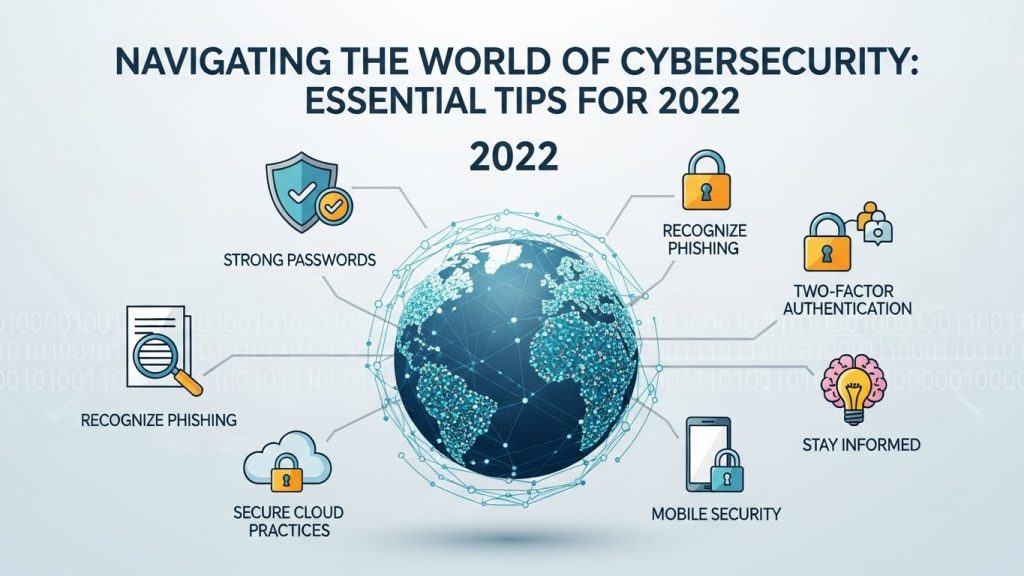
Navigating the World of Cybersecurity: Essential Tips for 2022
In today’s digital age, cybersecurity stands as a pillar for protecting our personal and professional lives. As technological advancements continue to surge, so do the threats posed by cybercriminals. The year 2022 has brought increased awareness and challenges in the cybersecurity landscape, making it crucial for individuals and organizations to stay informed and protected. This article delves into essential tips for navigating the complex world of cybersecurity this year.
Understanding the Cybersecurity Landscape
Cybersecurity encompasses a broad range of practices, technologies, and processes designed to protect networks, devices, and data from attack, damage, or unauthorized access. As the world becomes more interconnected, the scope and sophistication of cyber threats continue to grow.
According to cybersecurity experts, understanding the types of threats is the first step in devising effective defense mechanisms. These threats include malware, phishing attacks, ransomware, and more. With the increase in remote work, the attack surface has expanded, making it imperative to enhance existing security measures.
Strengthening Passwords and Authentication
One of the simplest yet most effective ways to protect your digital assets is by using strong passwords. A strong password typically includes a mix of letters, numbers, and special characters. It should be at least 12 characters long and avoid obvious choices like “123456” or “password”.
In addition to strong passwords, implementing two-factor authentication (2FA) provides an additional layer of security. 2FA requires not only a password and username but also something that only the user has on them, i.e., a piece of information only they should know or have immediately to hand — such as a physical token.
Recognizing Phishing Scams
Phishing attacks remain one of the most prevalent methods of cybercrime. These attacks often come in the form of deceptive emails or messages that appear to be from legitimate sources, tricking users into providing sensitive information.

To combat phishing, it is crucial to remain vigilant. Always check the sender’s email address and look for any inconsistencies or suspicious requests. Never click on links or download attachments from unknown sources. Educating employees about phishing tactics can significantly reduce the risk of these attacks.
Regular Software Updates and Patches
Software updates often include patches for security vulnerabilities that cybercriminals could exploit. Neglecting these updates leaves systems open to attacks. Ensure that all software, including antivirus programs, is up to date to protect against the latest threats.
Implementing automated updates can help in maintaining the security of systems. Organizations should also consider a patch management strategy to streamline the process of handling updates efficiently.
Data Encryption and Backup
Data encryption transforms readable data into an unreadable format that can only be accessed or decrypted by those with the correct decryption key. This is essential for protecting sensitive information from unauthorized access.
Regularly backing up data is equally important. In the event of a ransomware attack, having a backup can prevent significant data loss. It is advisable to store backups in a secure, offsite location and to test them regularly to ensure their integrity.
Enhancing Network Security
Network security involves implementing policies and practices to prevent and monitor unauthorized access, misuse, modification, or denial of a computer network and network-accessible resources. A secure network is foundational to any organization’s cybersecurity strategy.
Firewalls, Virtual Private Networks (VPNs), and Intrusion Detection Systems (IDS) are some of the tools that can help in strengthening network security. Organizations should conduct regular network audits to identify and rectify potential vulnerabilities.
Educating and Training Employees
Human error remains one of the most significant risks to cybersecurity. Therefore, educating employees about cybersecurity best practices is vital. Regular training sessions can help employees recognize and respond to potential threats effectively.
Creating a culture of security within the organization involves encouraging employees to report suspicious activity without fear of reprimand. This proactive approach helps in identifying threats before they escalate into significant issues.
Conclusion: Staying Ahead of Cyber Threats
As we navigate through 2022, the importance of robust cybersecurity practices cannot be overstated. By understanding the current threat landscape and implementing the tips outlined above, individuals and organizations can protect themselves from potential cyber threats.
Staying informed about the latest cybersecurity trends and continuously updating security measures is essential in the fight against cybercrime. The digital world is ever-evolving, and so must our approaches to safeguarding it. By being prepared and proactive, we can ensure a safer digital environment for everyone.
For more detailed information on cybersecurity practices, consider exploring resources from trusted cybersecurity frameworks and remain informed about the latest developments in this crucial field.
The Role of Artificial Intelligence in Cybersecurity
Artificial Intelligence (AI) is becoming a pivotal tool in enhancing cybersecurity measures. AI can help in identifying patterns and anomalies that might indicate a cyber threat, thus enabling quicker response times. Machine learning algorithms can analyze vast amounts of data to predict and identify potential vulnerabilities before they can be exploited.
AI-driven security solutions are increasingly being used to automate threat detection and response processes. This not only reduces the burden on cybersecurity professionals but also increases the accuracy and efficiency of threat management. Companies like IBM and Cisco are at the forefront of integrating AI in cybersecurity solutions, offering advanced tools to combat evolving threats.
The Importance of Cybersecurity Policies and Governance
Implementing strong cybersecurity policies and governance frameworks is crucial for any organization. These guidelines help in establishing protocols for data protection, incident response, and compliance with regulatory requirements.
Organizations should ensure that their cybersecurity policies are aligned with industry standards and best practices. Regular reviews and updates of these policies are necessary to accommodate new regulations and emerging threats. An effective governance framework not only protects the organization but also builds trust with clients and stakeholders by demonstrating a commitment to security.
The Growing Threat of Ransomware
Ransomware attacks have become increasingly common and sophisticated. These attacks involve encrypting a victim’s data and demanding payment for the decryption key. The impact of ransomware can be devastating, leading to significant financial losses and reputational damage.
To mitigate the risk of ransomware, organizations should implement robust backup solutions and educate employees about the dangers of downloading unknown files and clicking on suspicious links. Keeping software up to date and using comprehensive security solutions are also critical in reducing the risk of such attacks.
Future Trends in Cybersecurity
As cyber threats evolve, so too must the strategies and technologies used to combat them. One emerging trend is the use of blockchain technology to enhance security. Blockchain’s decentralized nature offers potential benefits for secure transactions and data integrity.
Additionally, the adoption of zero-trust architectures is gaining traction. This approach assumes that threats could exist both inside and outside the network and requires verification for every user and device attempting to access resources.
The Internet of Things (IoT) also presents new security challenges as more devices become interconnected. Developing secure IoT frameworks will be essential in protecting these devices from cyber threats.
Conclusion: Empowering a Secure Future
In conclusion, the world of cybersecurity is complex and ever-changing. To effectively navigate this landscape, individuals and organizations must be proactive and informed. By leveraging technology, implementing strong policies, and fostering a culture of security awareness, we can protect ourselves from the myriad of threats that exist in the digital world.
Ultimately, the goal is to create a secure environment where technology can be used safely and effectively. As new challenges arise, the strategies and solutions we employ must adapt. Staying ahead of cyber threats requires continuous learning and vigilance, but with the right approach, a secure digital future is achievable.
The Role of Collaboration in Cybersecurity
In the battle against cybercrime, collaboration is key. Organizations, governments, and cybersecurity experts must work together to share information and strategies. By fostering a community of knowledge sharing, we can stay ahead of cybercriminals who are constantly evolving their tactics.
International cooperation is also essential, as cyber threats often cross borders. Organizations like the International Criminal Police Organization (INTERPOL) play a crucial role in facilitating cross-border collaboration and enforcement against cybercrime. By working together, countries can better protect their citizens and infrastructures.
Building a Resilient Cybersecurity Workforce
As the demand for cybersecurity professionals grows, there is an increasing need to build a skilled and resilient workforce. Education and training programs are vital in equipping individuals with the necessary skills to tackle cyber threats effectively. Universities and online platforms are offering specialized courses and certifications to prepare the next generation of cybersecurity experts.
Organizations should invest in continuous professional development for their cybersecurity teams. This not only helps in staying updated with the latest technologies and threats but also enhances job satisfaction and retention rates within the sector.
Cybersecurity and Privacy: Finding the Balance
While cybersecurity focuses on protecting data and systems, privacy concerns the rights of individuals to control their personal information. Striking a balance between the two is essential, as overly stringent security measures can infringe on privacy rights, while inadequate security can expose sensitive information.
Organizations must ensure compliance with privacy regulations such as the General Data Protection Regulation (GDPR) and the California Consumer Privacy Act (CCPA). These regulations set standards for how personal data should be handled and protected, emphasizing transparency and user consent.
Encouraging Cyber Hygiene Practices
Cyber hygiene refers to the routine practices and steps that individuals and organizations take to ensure the safe handling of data and secure systems. Encouraging good cyber hygiene is fundamental in reducing the risk of cyber threats.
Simple practices such as regularly updating passwords, using antivirus software, and being cautious with email attachments can significantly enhance security. Organizations should promote these practices through regular awareness campaigns and training sessions.
Final Thoughts: A Collective Responsibility
As we navigate the complexities of cybersecurity in 2022 and beyond, it is clear that the responsibility for protection does not lie with a single entity. It is a collective effort that involves individuals, organizations, and governments working together. By fostering a culture of security awareness, staying informed about the latest threats, and embracing technological advancements, we can build a more secure digital world.
With the continuous evolution of cyber threats, vigilance and adaptability are key. By implementing the strategies discussed in this article, we can better protect our digital lives and ensure that the benefits of technology continue to outweigh the risks.
For further insights and strategies on protecting against cyber threats, consider exploring resources from leading cybersecurity companies and staying updated with the latest developments in this ever-evolving field.
About the Author