
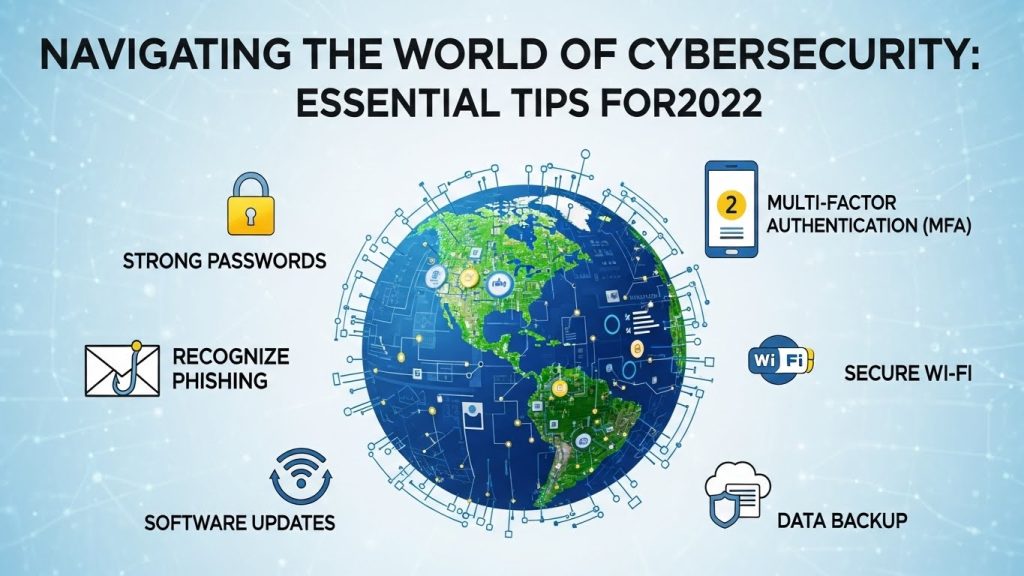
Navigating the World of Cybersecurity: Essential Tips for 2022
As we delve deeper into the digital age, cybersecurity has become a cornerstone of our online interactions. With the increasing sophistication of cyber threats, it’s no wonder that both individuals and organizations are focusing more on cybersecurity measures to protect sensitive information. This blog post aims to provide essential tips for navigating the cybersecurity landscape in 2022, helping you safeguard your digital footprint effectively.
Understanding the Importance of Cybersecurity
Cybersecurity is critical in today’s world because it encompasses the protection of sensitive data, personal information, and intellectual property from theft or damage. As the Cybersecurity and Infrastructure Security Agency points out, the consequences of cyberattacks can be devastating, ranging from financial loss to reputational damage and even legal liabilities. Understanding the importance of cybersecurity is the first step in implementing effective security measures.
Common Cyber Threats in 2022
The landscape of cyber threats is ever-evolving, with new and sophisticated methods emerging regularly. Some of the most common threats in 2022 include:
- Phishing Attacks: These involve fraudulent attempts to obtain sensitive information, such as usernames and passwords, by masquerading as a trustworthy entity. According to APWG, phishing attacks remain one of the most common cyber threats, with millions of new phishing sites being created each year.
- Ransomware: This type of malware encrypts the victim’s files, demanding a ransom to restore access. The FBI reports a significant increase in ransomware attacks, with cybercriminals targeting both large corporations and small businesses alike.
- Malware: This includes various types of malicious software, such as viruses, worms, and trojans, which can damage or disrupt systems.
- Denial of Service (DoS) Attacks: These attacks flood a network with traffic, rendering it unavailable to users. The US-CERT provides comprehensive guidance on mitigating the effects of DoS attacks.

Essential Cybersecurity Tips for Individuals
1. Use Strong, Unique Passwords
One of the simplest yet most effective ways to protect your online accounts is by using strong, unique passwords. A strong password typically includes a mix of uppercase and lowercase letters, numbers, and symbols. It is also essential to avoid reusing passwords across multiple accounts. Consider using a password manager to help you generate and store complex passwords securely.
2. Enable Two-Factor Authentication (2FA)
Two-factor authentication adds an extra layer of security by requiring a second form of verification, such as a mobile text message or an authentication app, in addition to your password. Many online services now offer 2FA as an option, and it is highly recommended for securing sensitive accounts.
3. Be Aware of Phishing Scams
As phishing scams become more sophisticated, it is crucial to remain vigilant when clicking on links or opening attachments in emails. Always verify the sender’s email address, look for inconsistencies in the message, and avoid providing personal information through email. If in doubt, contact the organization directly to verify the legitimacy of the communication.
4. Keep Software Updated
Regular software updates are vital for protecting your devices against vulnerabilities and exploits. Ensure that your operating system, applications, and antivirus software are up to date. Many software programs offer automatic updates, which can help maintain your security posture without requiring manual intervention.
Cybersecurity Considerations for Businesses
1. Conduct Regular Security Audits
Regular security audits help identify potential vulnerabilities within your organization’s systems and processes. These audits should include assessments of network security, data protection policies, and employee awareness. Engaging with cybersecurity professionals can provide an objective analysis and recommendations for improvement.
2. Implement a Robust Data Encryption Strategy
Data encryption is a powerful tool for protecting sensitive information from unauthorized access. By encrypting data both at rest and in transit, businesses can significantly mitigate the risk of data breaches. It’s essential to use strong encryption protocols and keep encryption keys secure.
3. Develop an Incident Response Plan
An incident response plan outlines the procedures to follow in the event of a cybersecurity incident. This plan should include roles and responsibilities, communication strategies, and steps for containment, eradication, and recovery. Regularly test and update the plan to ensure its effectiveness in real-world scenarios.
4. Educate Employees on Cybersecurity Best Practices
Employees are often the first line of defense against cyber threats. Providing regular training on cybersecurity best practices can significantly reduce the risk of human error leading to security breaches. Topics should include identifying phishing scams, creating strong passwords, and securing personal devices used for work purposes.
The Future of Cybersecurity
As technology continues to advance, the future of cybersecurity will involve the integration of innovative solutions such as artificial intelligence and machine learning. These technologies have the potential to enhance threat detection and response capabilities, automate routine security tasks, and provide deeper insights into security incidents. However, they also introduce new challenges, such as the need for specialized skills and the potential for adversarial attacks that exploit AI systems.
Organizations and individuals must remain adaptable and proactive in their cybersecurity efforts to stay ahead of emerging threats. This involves staying informed about the latest trends and developments in cybersecurity and continuously revising and improving security strategies.
Takeaways
Navigating the world of cybersecurity is a complex but essential task in 2022. By understanding the importance of cybersecurity, recognizing common threats, and implementing best practices, individuals and businesses can protect themselves from the ever-evolving landscape of cyber threats. As technology continues to advance, staying informed and proactive will be key to maintaining a robust cybersecurity posture.
For more information and resources on cybersecurity, consider visiting authoritative websites such as the National Institute of Standards and Technology (NIST) and the European Union Agency for Cybersecurity (ENISA). These organizations offer valuable guidance and frameworks to help navigate the complex world of cybersecurity.
Advanced Cybersecurity Technologies and Trends
As we move further into the digital age, several advanced technologies and trends are shaping the future of cybersecurity. Understanding these developments can help individuals and organizations stay ahead of potential threats and enhance their security measures.
1. Artificial Intelligence and Machine Learning
Artificial Intelligence (AI) and Machine Learning (ML) are transforming the cybersecurity landscape by enabling more dynamic and responsive security systems. These technologies can analyze vast amounts of data to identify patterns and anomalies, helping to detect threats that may go unnoticed by traditional methods. AI-driven systems can also automate routine security tasks, such as monitoring logs and responding to low-level security incidents, freeing up human resources for more complex challenges.
However, as AI and ML become more prevalent, cybercriminals are also developing techniques to exploit these technologies. This has led to the emergence of adversarial AI attacks, which involve manipulating AI models to bypass security measures. Therefore, organizations must invest in robust AI security measures to protect against these emerging threats.
2. Zero Trust Architecture
Zero Trust is a security model that requires all users, both inside and outside an organization’s network, to be authenticated and authorized before accessing resources. The Zero Trust approach reduces the risk of data breaches by minimizing the attack surface and enforcing strict access controls.
Implementing Zero Trust involves several key components, including identity and access management, network segmentation, and continuous monitoring. By adopting a Zero Trust architecture, organizations can enhance their security posture and better protect sensitive data from unauthorized access.
3. Cloud Security
As more businesses migrate their operations to the cloud, cloud security has become a critical concern. Cloud providers offer various security features, but it is ultimately the responsibility of the organization to ensure that these features are configured correctly.
Key aspects of cloud security include data encryption, access controls, and regular security assessments to identify potential vulnerabilities. Organizations must also consider the shared responsibility model, which outlines the security responsibilities of both the cloud provider and the customer.
4. Secure DevOps (DevSecOps)
DevSecOps is an approach that integrates security practices into the DevOps process, ensuring that security is addressed throughout the software development lifecycle. By incorporating security into the development process, organizations can identify and address vulnerabilities early, reducing the risk of security incidents in production environments.
DevSecOps involves collaboration between development, operations, and security teams, as well as the use of automated security tools to streamline processes. This approach not only enhances security but also improves the efficiency and reliability of software delivery.
Building a Cybersecurity Culture
Creating a culture of cybersecurity within an organization is essential for fostering a proactive and secure environment. This involves raising awareness about cybersecurity risks and encouraging employees to take an active role in protecting sensitive information.
To build a cybersecurity culture, organizations should:
- Provide Regular Training: Offer ongoing training sessions to educate employees about the latest cybersecurity threats and best practices. Tailor training programs to address the specific needs and roles of different employees.
- Encourage Open Communication: Create an environment where employees feel comfortable reporting potential security issues and asking questions. Open communication helps identify and address vulnerabilities before they can be exploited.
- Recognize and Reward Good Practices: Acknowledge employees who demonstrate strong cybersecurity practices and contribute to the organization’s security efforts. Recognition can motivate others to adopt similar behaviors.
- Lead by Example: Leadership should model good cybersecurity practices and prioritize security within the organization’s strategic objectives. When leaders demonstrate a commitment to cybersecurity, it reinforces its importance to the entire organization.
Takeaways
The cybersecurity landscape in 2022 presents both challenges and opportunities for individuals and organizations. By staying informed about the latest threats and advancements in technology, implementing robust security measures, and fostering a culture of cybersecurity, we can protect our digital assets and maintain trust in the digital world.
For further reading on cybersecurity, visit the Kaspersky Resource Center and the Symantec Security Center. These platforms offer a wealth of information and tools to help you stay secure in an ever-evolving digital landscape.
About the Author