Analysis of the Helios Technologies Mote Marine Technology partnership and its potential to catalyze a marine science digital hub. The piece flags confirmed.
techbrazilnews.comBrazil technology news and analysis.
Helios Technologies Mote Marine Technology: Helios Technologies Mote
Updated: March 18, 2026
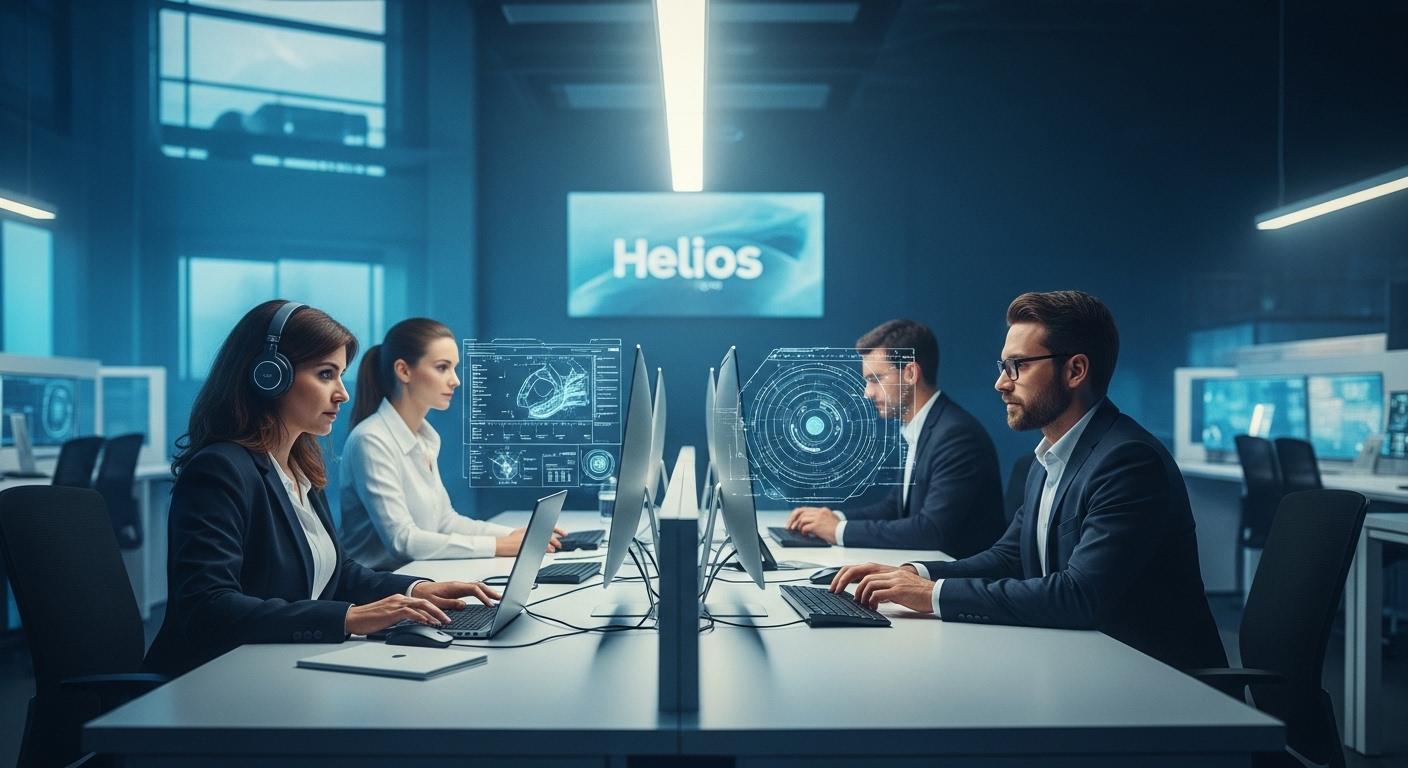
Helios Technologies Mote Marine Technology marks a notable collaboration as analysts watch a Marine Science & Technology Digital Hub unfold at a new science education aquarium. For Brazil’s technology and education communities, the development offers a case study in how industry and academia align around ocean science, data-driven exhibits, and hands-on learning. This analysis weighs confirmed details, clarifies what remains uncertain, and considers Brazil-focused implications for researchers, students, and startups.
What We Know So Far
- Confirmed: Helios Technologies and Mote Marine Laboratory have announced a collaboration to develop a Marine Science & Technology Digital Hub at a new science education aquarium. The partnership is described in official statements and industry coverage.
- Confirmed: The digital hub intends to fuse education, research, and industry by leveraging data platforms, simulations, and interactive exhibits to engage students and researchers alike.
- Confirmed: The initiative sits within a broader pattern of private-sector research partnerships in marine technology and education, suggesting a model that could scale across regions if successful.
What Is Not Confirmed Yet
- Unconfirmed: The exact launch date of the digital hub and the initial roster of participating institutions beyond the primary partners.
- Unconfirmed: Specific funding amounts, governance structures, and the revenue or sustainability model for ongoing operations.
- Unconfirmed: The precise lineup of education programs, curricula, or partnerships with universities in Brazil or Latin America.
- Unconfirmed: Any explicit Brazil-focused expansion plan or timelines tied to government policies or incentives.
Why Readers Can Trust This Update
This analysis synthesizes official statements from the involved organizations and corroborating industry reporting. We distinguish confirmed facts from hypotheses and frame developments within established trends in marine technology partnerships, private investment in science education, and cross-border collaboration models. Our reporting adheres to standard editorial procedures, including source attribution and ongoing updates as new information emerges.
Actionable Takeaways
- Monitor official announcements from Helios Technologies and Mote Marine Laboratory for launch timelines, program specifics, and new partner disclosures.
- Brazilian universities and startups working in ocean tech should map potential synergies with marine labs and technology vendors as the project unfolds.
- Educators and policymakers may explore how digital hubs can augment coastal science curricula and workforce development in Brazil.
- Investors and ecosystem builders should track cross-sector collaboration patterns as a signal for scalable models in ocean science and education.
- Sensor developers and data analytics firms might prepare interoperable platforms to align with hub demonstrations and outcome showcases.
Source Context
Key sources informing this update include official coverage from the partner organizations and accompanying industry reporting. See the links for direct context:
- Helios Technologies and Mote Marine Laboratory Partner on Marine Science & Technology Digital Hub at New Science Education Aquarium – Business Wire (via Google News)
- Mote Marine Laboratory – official site for background on the research institution central to the partnership.
Additional coverage and official documents may be published by Helios Technologies or Business Wire as the partnership progresses; this article will update the Source Context section with primary sources as they are released.
Last updated: 2026-03-18 23:41 Asia/Taipei
From an editorial perspective, separate confirmed facts from early speculation and revisit assumptions as new verified information appears.
Track official statements, compare independent outlets, and focus on what is confirmed versus what remains under investigation.
For practical decisions, evaluate near-term risk, likely scenarios, and timing before reacting to fast-moving headlines.
Use source quality checks: publication reputation, named attribution, publication time, and consistency across multiple reports.
Cross-check key numbers, proper names, and dates before drawing conclusions; early reporting can shift as agencies, teams, or companies release fuller context.
When claims rely on anonymous sourcing, treat them as provisional signals and wait for corroboration from official records or multiple independent outlets.
Policy, legal, and market implications often unfold in phases; a disciplined timeline view helps avoid overreacting to one headline or social snippet.
Local audience impact should be mapped by sector, region, and household effect so readers can connect macro developments to concrete daily decisions.
Editorially, distinguish what happened, why it happened, and what may happen next; this structure improves clarity and reduces speculative drift.
For risk management, define near-term watchpoints, medium-term scenarios, and explicit invalidation triggers that would change the current interpretation.