An in-depth look at how flavio Technology Brazil sits at the intersection of AI policy, startup funding, and corporate governance as Brazil navigates rapid.
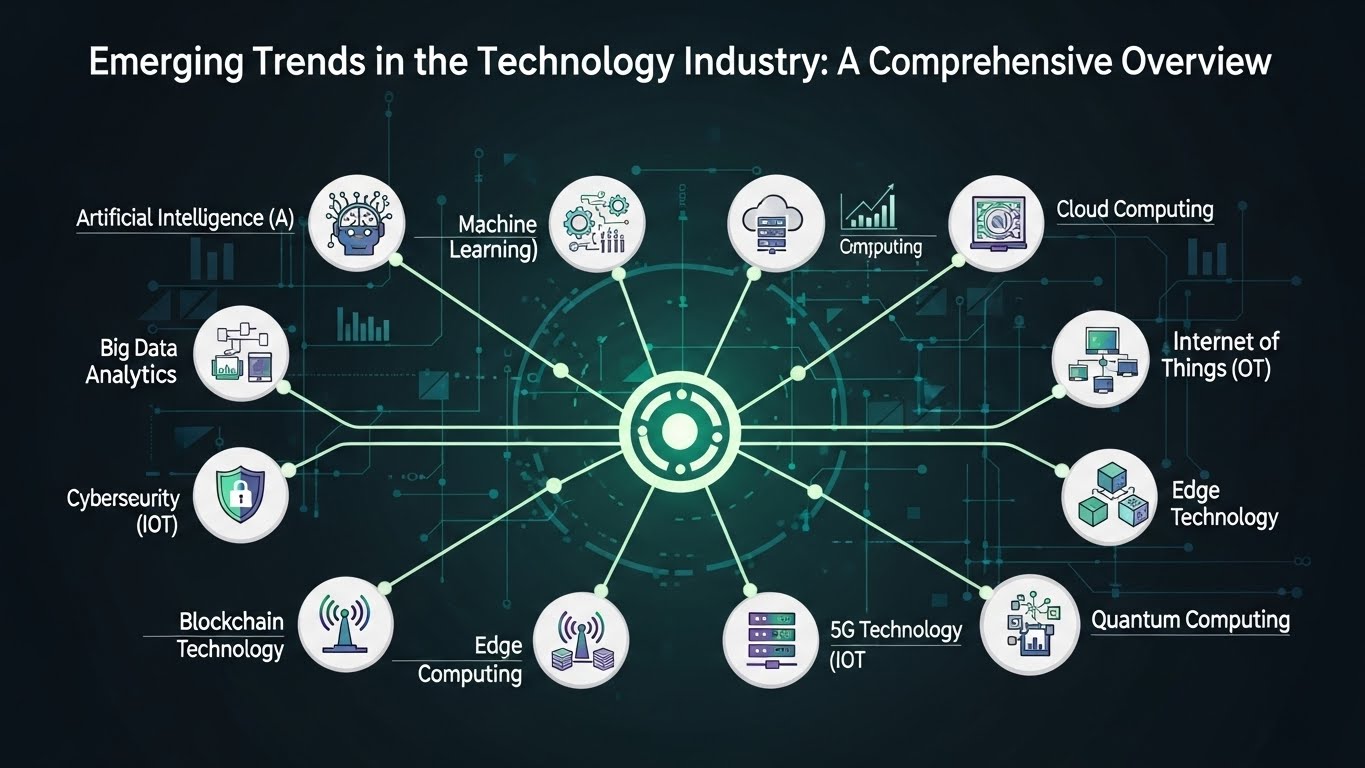
In Brazil’s rapidly evolving tech landscape, flavio Technology Brazil is emerging as a touchstone for how policymakers, investors, and engineers understand AI, labor, and digital infrastructure.
AI, policy, and the Brazilian tech landscape
The Brazilian approach to AI and data ethics sits at the intersection of rapid digital adoption and guarding user privacy. Regulators are weighing risk-based frameworks, transparency obligations, and cross-border data flows as startups and incumbents experiment with AI tools across sectors. The conversation spans public procurement, digital government services, and corporate governance, underscoring that policy clarity can accelerate responsible innovation or hamper deployment if unclear requirements create friction.
Beyond privacy, the policy climate also reflects concerns about workforce disruption and the need for upskilling. As Brazilian firms invest in automation and AI-assisted decision-making, lawmakers are pressed to balance incentives for innovation with safeguards for workers and consumers. This environment shapes how firms plan product roadmaps, data architectures, and partner ecosystems across Brazil and global markets.
Funding trends shaping the AI HR niche
Investors have increasingly turned to AI enabled human resources platforms that promise to streamline recruitment, onboarding, and ongoing people operations. In recent rounds, a notable startup focusing on AI driven HR tools attracted venture capital from influential figures and funds, signaling confidence that software can reduce administrative burdens while offering analytics for hiring decisions. While the technology holds promise, founders face challenges around data quality, bias mitigation, and integration with existing HR stacks. The Brazilian market, with its diverse workforce and compliance requirements, adds complexity but also opportunity for tools that respect privacy and local labor rules.
Even when the headlines spotlight a single funding round, the broader trend is the rising interest in vertical AI solutions tailored to enterprise processes. For Brazil, this means a push not only to import technology but to adapt it—ensuring localization of language, payroll, tax rules, and regulatory compliance. The result could be a more resilient payroll and talent management ecosystem that benefits mid-market firms and startups alike.
Responsible AI, governance, and corporate Brazil
As AI tools permeate hiring and workforce planning, companies in Brazil are increasingly building internal governance processes. That includes model evaluation for fairness, auditable decision flows for recruitment, and data lifecycle management aligned with LGPD guidelines. In practice, this translates to clearer vendor selection criteria, more robust data stewardship, and ongoing risk assessments. The aim is not to stifle innovation but to ensure that automation supports equitable outcomes and avoids reinforcing social biases that could undermine trust in digital systems.
Brazilian enterprises recognize that responsible AI also entails third party audits, transparent documentation, and explicit accountability for decisions produced by automated systems. Regulatory voices emphasize the need for explainability and human oversight in high-stakes processes, a stance that resonates with both multinational corporations and local firms striving to compete responsibly on a global stage.
Market expectations for workers and consumers
The workforce challenge is twofold: workers need retraining to thrive alongside AI systems, and employers require evidence that AI investments translate into measurable productivity gains without compromising data privacy. Educational institutions, industry associations, and government programs are increasingly aligned on curriculum updates, hands-on training, and portable credentials that reflect AI literacy and data governance skills. For consumers, the emphasis is on privacy, transparency in algorithmic decisions, and clear opt-out paths for data use. Taken together, these dynamics push Brazil toward a more resilient, adaptable digital economy where technology serves people, not just efficiency.
Actionable Takeaways
- For policymakers: establish clear AI risk categories and fast-track privacy-safe pilots while ensuring accountability.
- For startups: prioritize data governance and transparent hiring algorithms to build trust in AI-powered HR tools.
- For enterprises: implement governance frameworks and external audits to manage AI adoption responsibly.
- For workers and educators: invest in digital literacy and reskilling to adapt to AI-assisted workflows.